


Table of Contents
No city on earth has a higher concentration of ancient monuments than Luxor. Built on the site of ancient Thebes — the capital of Egypt during the New Kingdom, roughly 1550 to 1070 BCE — Luxor contains an extraordinary proportion of the world’s surviving ancient Egyptian heritage. The Karnak Temple complex alone took 2,000 years to build. The Valley of the Kings holds the tombs of over 60 pharaohs. The Luxor Temple has been in continuous use — as an Egyptian sanctuary, a Roman fort, a Coptic church, and a mosque — for more than 3,000 years.
For travelers, Luxor is both a destination in its own right and the natural centrepiece of any Upper Egypt itinerary. Whether you arrive as part of a Nile cruise heading between Aswan and Luxor, on a flight from Cairo for a dedicated Luxor day tour, or as part of a longer Classic Egypt tour, this guide covers everything you need to make the most of your time here.
Why Luxor Is Unlike Anywhere Else in Egypt
Luxor sits in a natural bowl in the desert, the Nile River running through its centre and dividing the city between the living East Bank and the ancient necropolis of the West Bank. This division was intentional: the ancient Egyptians oriented their cities so that the living quarters faced the rising sun in the east, while the dead were buried on the west bank where the sun set. That logic, applied at Thebes over three millennia ago, means that Luxor’s entire geography still reflects the cosmology of ancient Egypt — which gives the city a coherence and atmosphere that no museum can replicate.
The scale of what survives here is genuinely difficult to absorb. Luxor has more ancient monuments per square kilometre than anywhere else on earth, and UNESCO estimates that approximately one third of all ancient Egyptian antiquities ever discovered were found in and around the city. For travelers interested in ancient Egyptian history, it is simply unmissable.
A Brief History of Luxor (Ancient Thebes)
Thebes rose to prominence during the Middle Kingdom (around 2055 BCE) when its local rulers reunified Egypt after a period of fragmentation. Under the New Kingdom pharaohs — including Hatshepsut, Thutmose III, Ramses II, and Tutankhamun — the city became the most powerful in the ancient world, the political and religious capital of an empire stretching from Sudan to Syria.
The city’s patron deity was Amun, king of the gods, whose temple at Karnak grew continuously for over two thousand years as successive pharaohs added courts, pylons, and obelisks to demonstrate their piety and power. The wealth flowing into Thebes from Egypt’s imperial conquests funded monuments of extraordinary ambition — including the Colossi of Memnon, the Mortuary Temple of Hatshepsut, and the vast royal necropolis of the Valley of the Kings.
Thebes declined after the end of the New Kingdom and was eventually sacked by the Assyrians in 663 BCE. The city gradually contracted to the settlement now known as Luxor, but its monuments survived — preserved by the desert climate and buried under centuries of sand — until European explorers began systematically uncovering them in the 18th and 19th centuries.
The East Bank: Karnak and Luxor Temple
Karnak Temple Complex
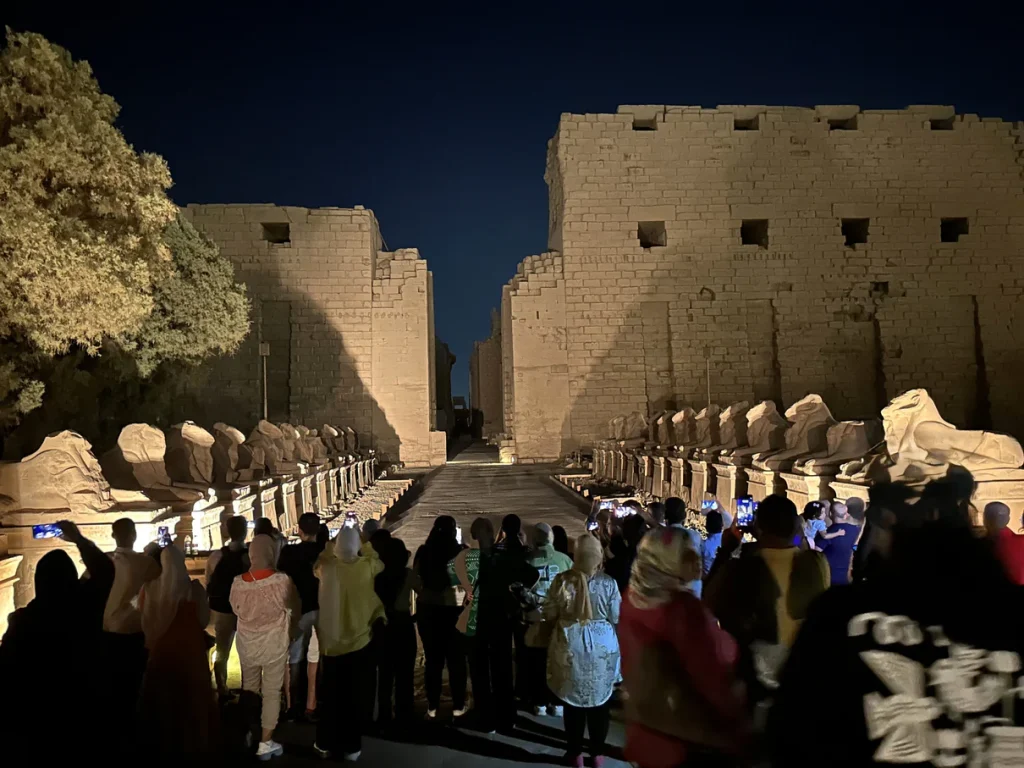
The Karnak Temple complex is the largest ancient religious site in the world — a 100-hectare precinct containing temples, chapels, pylons, obelisks, and the famous Sacred Lake, built and expanded over a period of approximately 2,000 years. The centrepiece is the Great Temple of Amun, entered through a processional avenue of ram-headed sphinxes and a series of massive pylons that increase in age as you move deeper into the complex.
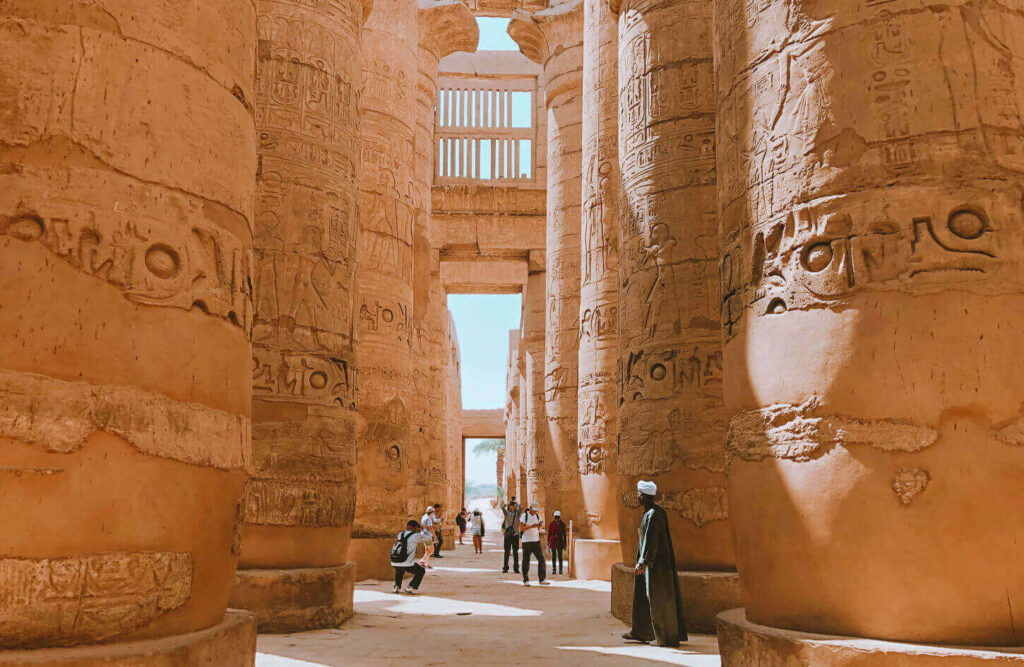
The Great Hypostyle Hall — a forest of 134 towering columns, some over 20 metres tall and wide enough for 100 people to stand on top — is one of the most overwhelming interior spaces in ancient architecture. The columns are covered in hieroglyphic reliefs painted in colours that are still visible in places, and the scale of the hall makes even experienced travelers stop in their tracks. Allow at least two hours at Karnak, and consider visiting twice if your schedule permits — once in the morning for the detail, and once in the evening for the atmospheric sound and light show.
Luxor Temple
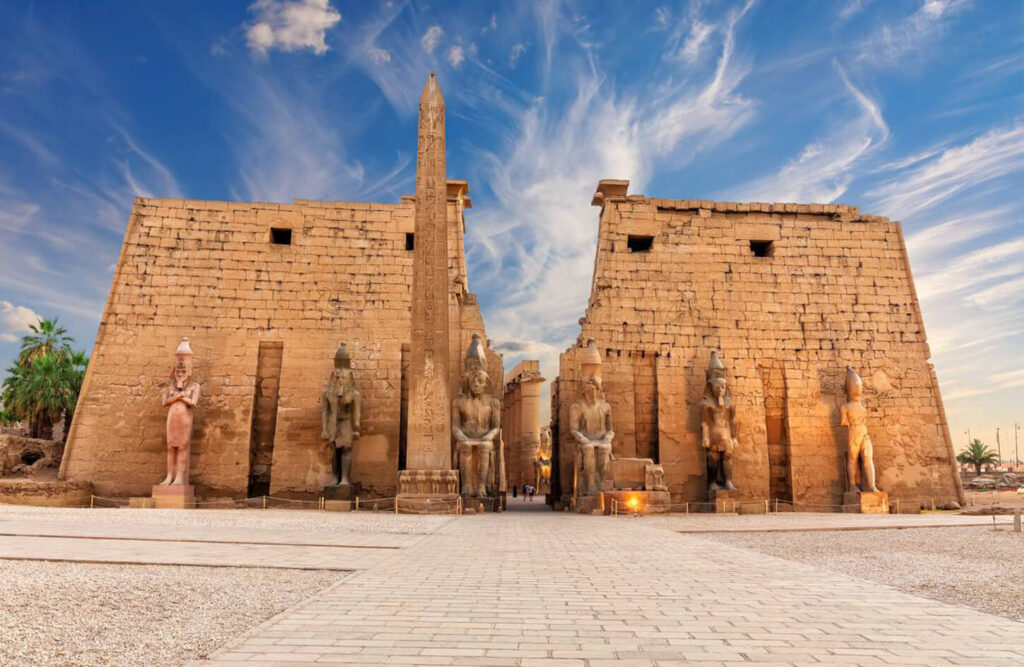
The Luxor Temple, connected to Karnak by a 3-kilometre Avenue of Sphinxes that has been progressively excavated over recent decades, sits at the heart of the modern city in a way that makes it uniquely accessible. Built primarily by Amenhotep III and Ramses II, the temple was used continuously for over three thousand years — the Romans built a fort within its walls, the Copts converted part of it into a church, and the Abu Haggag Mosque still stands inside the complex today, elevated above the ancient floor level by centuries of accumulated settlement. This layering of history is visible everywhere you look, making Luxor Temple one of the most thought-provoking sites in Egypt.
The temple is particularly beautiful at night, when it is illuminated and the crowds of the daytime have thinned. If you are staying in Luxor for more than one day, an evening visit is strongly recommended.
The West Bank: Valley of the Kings, Hatshepsut, and More
Valley of the Kings
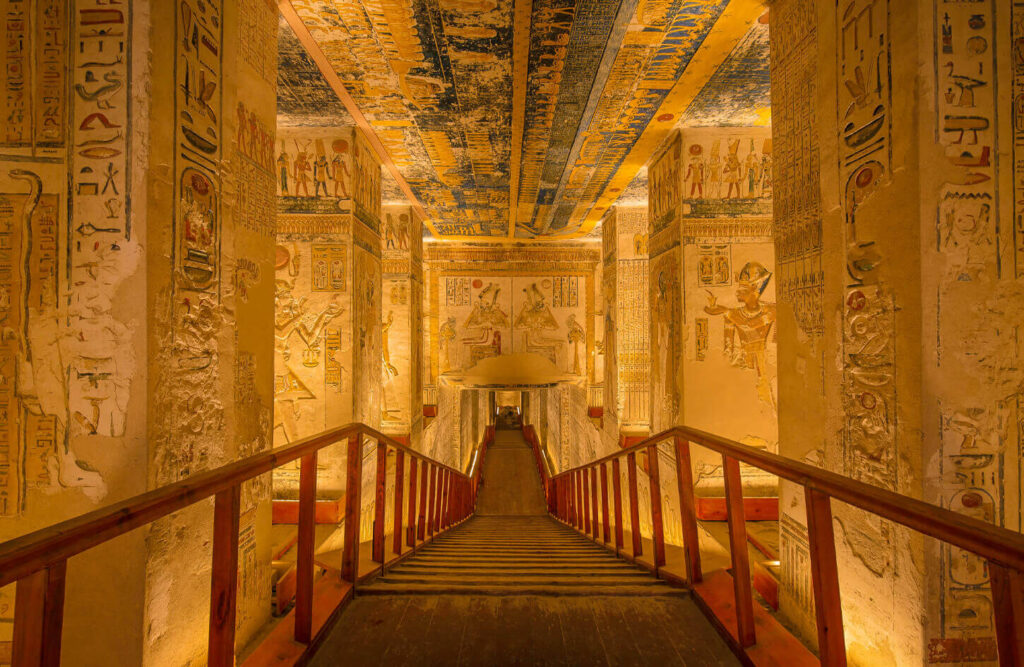
The Valley of the Kings served as the royal necropolis of the New Kingdom pharaohs for over five centuries, from approximately 1539 to 1075 BCE. More than 60 tombs have been discovered in the valley, cut deep into the limestone mountains and decorated with elaborate scenes from the Book of the Dead and other funerary texts intended to guide the pharaoh’s soul through the underworld.
The standard entry ticket gives access to three tombs, with additional tickets required for the most famous — including the tomb of Tutankhamun, whose near-intact discovery by Howard Carter in 1922 is the most celebrated archaeological find in history. The painted reliefs in many of the other tombs — particularly those of Ramses VI, Seti I, and Nefertari in the nearby Valley of the Queens — are arguably even more spectacular than Tutankhamun’s, and far less crowded. Arrive as early as possible: the valley heats up quickly, and the most popular tombs fill with tour groups by mid-morning.
Mortuary Temple of Hatshepsut
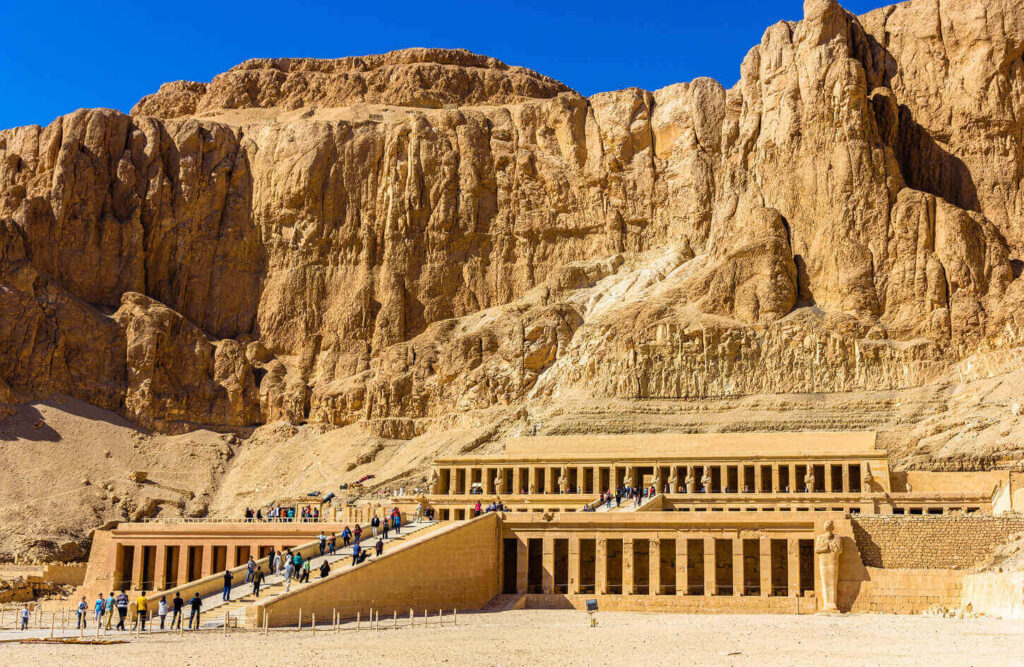
The Mortuary Temple of Hatshepsut at Deir el-Bahari is one of the architectural masterpieces of the ancient world — a three-tiered colonnaded structure built into the face of a dramatic limestone cliff. Hatshepsut, one of the few female pharaohs in Egyptian history, ruled for over 20 years and commissioned some of the most ambitious building projects of the New Kingdom. The temple’s elegant proportions and its setting against the sheer rock face make it visually unlike anything else in Egypt.
Colossi of Memnon
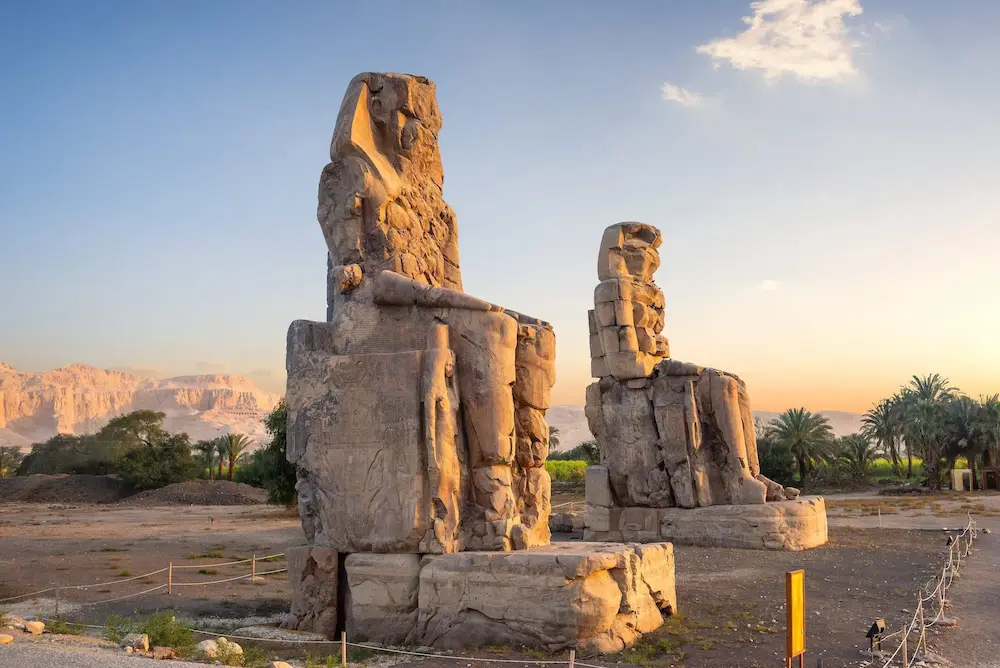
The two enormous seated statues of Amenhotep III known as the Colossi of Memnon stand at the entrance to the West Bank necropolis, each around 18 metres tall. They are among the most instantly recognizable images in ancient Egyptian art, and they served as the guardians of Amenhotep’s mortuary temple — of which almost nothing else survives. The statues are free to view and make a natural first or last stop on a West Bank itinerary.
Tombs of the Nobles
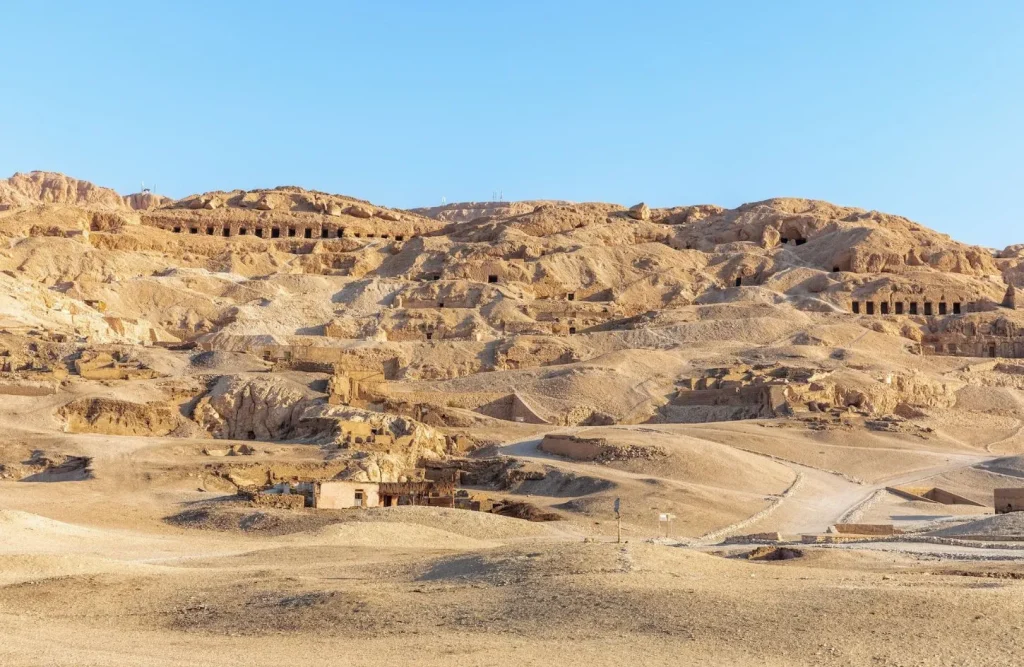
The Tombs of the Nobles — the burial sites of high officials, priests, and courtiers rather than pharaohs — are often overlooked by visitors focused on the Valley of the Kings, which is a significant mistake. The scenes painted in many of these tombs are more intimate and more vivid than those in the royal tombs: images of hunting, fishing, agriculture, music, and daily life that give a far richer picture of what ancient Egyptian society actually looked like from the inside. Admission is separate from the Valley of the Kings and the tombs are rarely crowded.
Beyond the Monuments: Other Things to Do in Luxor
Hot Air Balloon over the West Bank
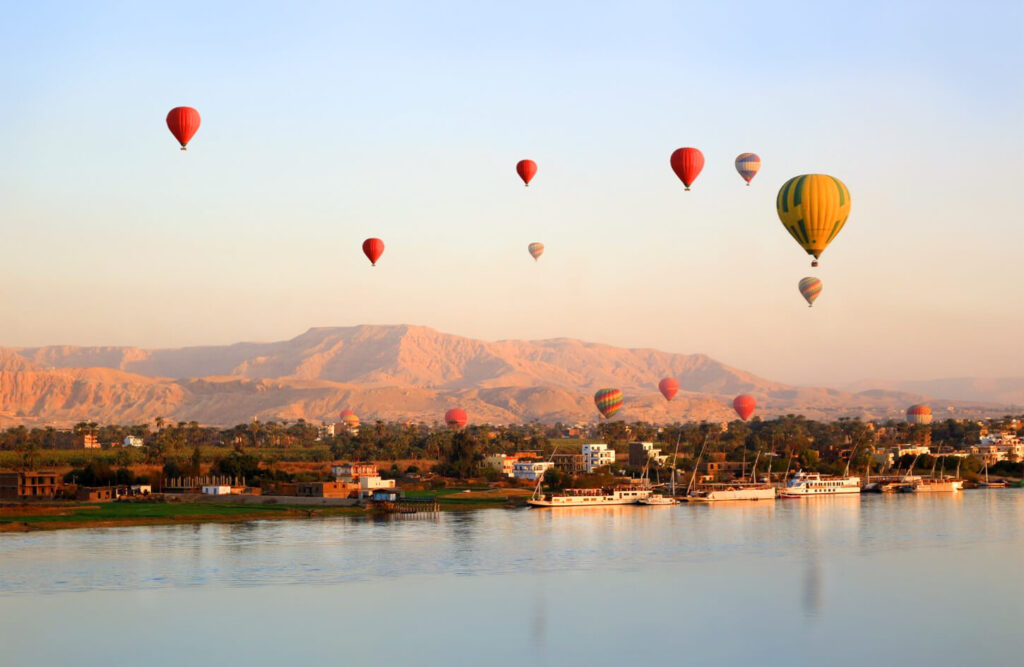
A hot air balloon ride over Luxor at sunrise is one of the most celebrated experiences in Egyptian travel — and the reputation is entirely justified. Rising above the West Bank as the sun comes up over the East Bank temples, with the Nile catching the light below and the desert stretching out in every direction, is a perspective on Luxor’s geography that no ground-level visit can provide. Flights depart very early (typically around 5am) and last approximately an hour. Book through a reputable licensed operator and confirm safety credentials in advance.
Felucca Ride on the Nile
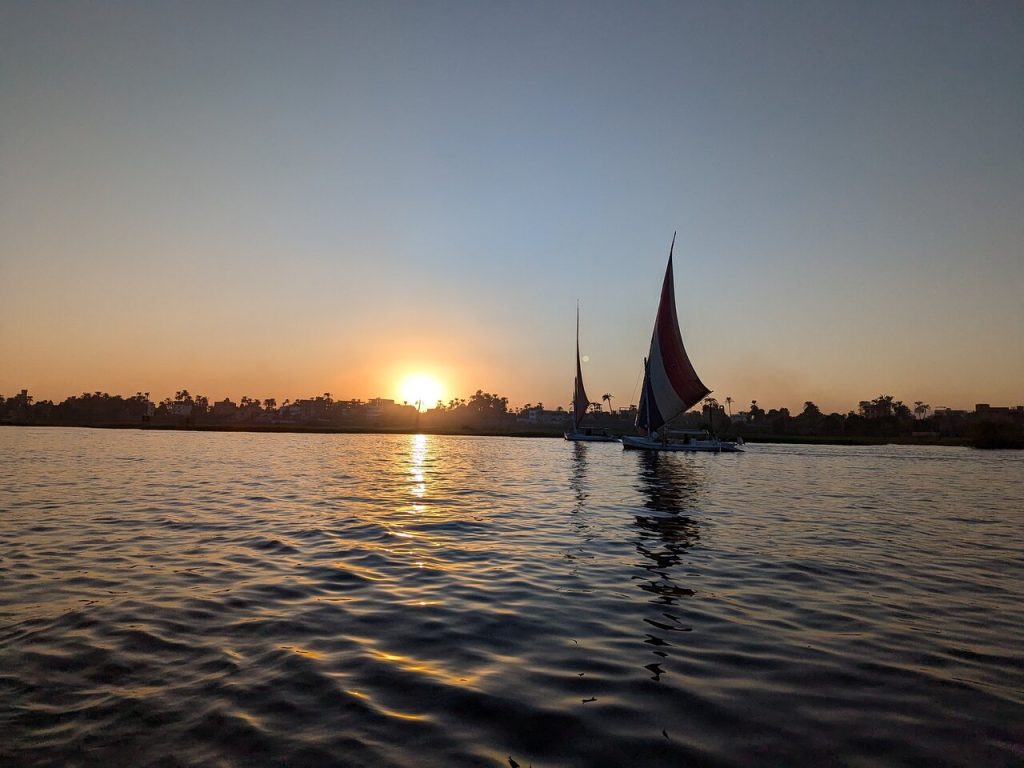
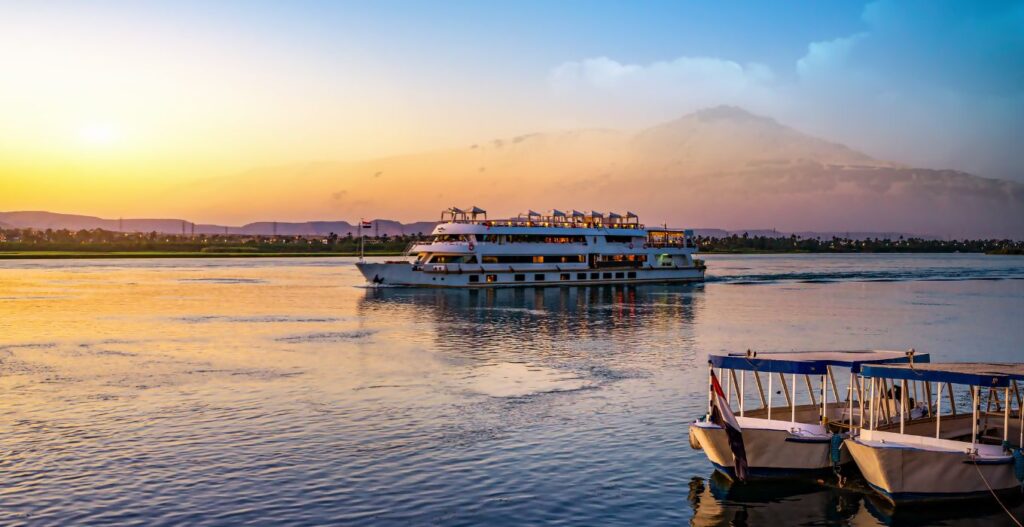
A felucca ride on the Nile between the two banks — watching the temples of the East Bank recede and the limestone cliffs of the West Bank approach — is one of those simple pleasures that Luxor does particularly well. Late afternoon, when the light turns golden and the heat of the day begins to ease, is the best time to go.
Luxor Museum
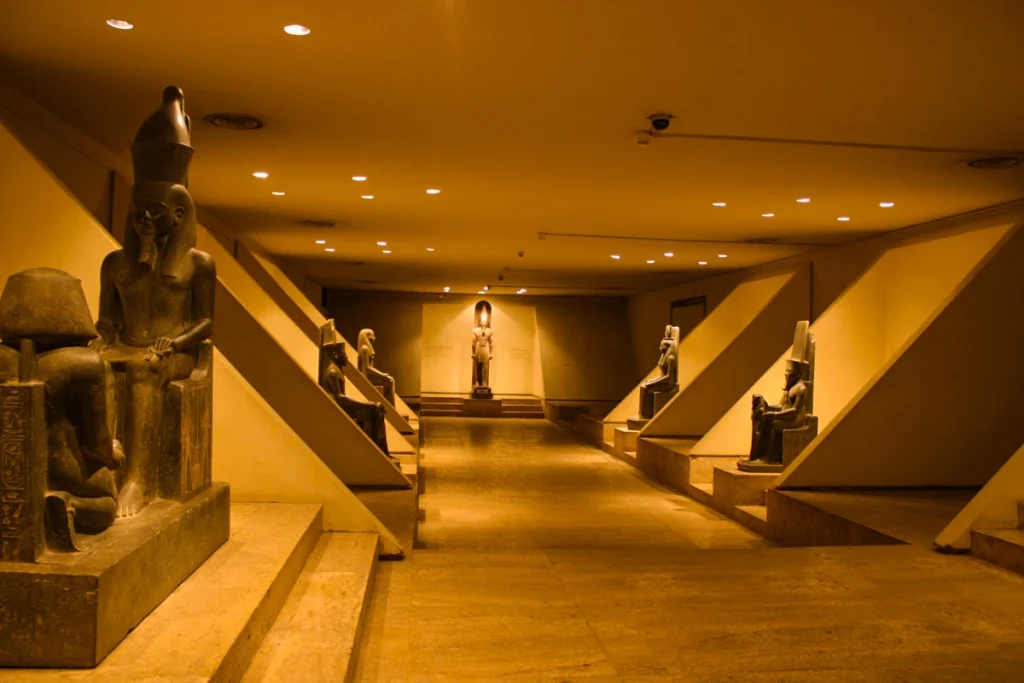
The Luxor Museum, often overlooked in favour of the open-air sites, is one of the best-curated museums in Egypt — a relatively small but beautifully presented collection of artifacts found in and around Luxor, displayed with excellent lighting and context. It is particularly strong on New Kingdom sculpture and contains several pieces of exceptional quality, including a cache of statues found at Luxor Temple in 1989. It makes a good complement to a morning at Karnak or an afternoon after the West Bank.
Karnak Sound and Light Show
The Sound and Light Show at Karnak walks visitors through the temple complex at night, with the monuments illuminated and a narrated history of ancient Thebes projected across the columns and pylons. It is theatrical by design, but the experience of walking through the Hypostyle Hall after dark, with the columns lit from below, is genuinely impressive and very different from the daytime visit.
Luxor Day Tours: Getting More from Your Time
For travelers arriving from Cairo or elsewhere in Egypt for a short visit, organized Luxor day tours are the most efficient way to cover the essential sites with expert guidance. A well-planned Luxor tour can comfortably cover the Valley of the Kings, Hatshepsut’s temple, the Colossi of Memnon, and Karnak in a single day — though two days is a more comfortable pace that allows for the Luxor Museum, the Tombs of the Nobles, and time to appreciate each site without rushing.
From Cairo, a day trip to Luxor by flight is a popular option: the flight takes about an hour, leaving enough time to cover the major West Bank sites and Karnak before returning the same evening. It is a long day, but a very full one.
Nile Cruises Between Luxor and Aswan
The Nile River cruise between Luxor and Aswan — or Aswan and Luxor, depending on direction — is the classic way to experience Upper Egypt and one of the great travel experiences in the region. The journey covers roughly 200 kilometres of river over three to four nights, stopping at Edfu Temple, Kom Ombo Temple, and Esna along the way, with guided excursions at each stop included in most packages.
Standard Luxor cruise ships are well-organized and comfortable, carrying dozens of cabins with on-board dining and sun decks. They are efficient and popular for good reason. For a more intimate alternative, a Dahabiya Nile cruise — on a traditional two-masted sailing vessel carrying a small number of guests — moves more slowly, follows the rhythm of the wind and water, and stops at smaller sites that larger ships cannot access. It is the closest thing available to how 19th-century travelers experienced the Nile, and for many people it is the most memorable part of their Egypt trip.
A Nile river cruise beginning or ending in Luxor fits naturally into Egypt short breaks focused on Upper Egypt, as well as longer Classic Egypt tours combining Cairo, the Pyramids, and the Nile valley. Most Egypt travel packages that include a cruise use either Luxor or Aswan as the embarkation point, with the direction of travel depending on the broader itinerary.
Best Time to Visit Luxor
Luxor has an extreme desert climate. Summers are genuinely punishing — temperatures regularly exceed 40 degrees Celsius between June and August, making outdoor sightseeing exhausting and potentially dangerous without rigorous precautions. The sites are also less enjoyable when very hot, and some travelers find the intensity of the heat actively detracts from the experience.
The best time to visit is October through April, when daytime temperatures range from around 20 to 30 degrees Celsius — warm and sunny, ideal for spending long days outdoors. November through February is the peak season and the most comfortable, with evenings that can feel genuinely cool. March and April are pleasant but can bring occasional hot winds (khamaseen) that reduce visibility and make outdoor visits less enjoyable for a day or two at a time.
Whenever you visit, plan the most exposed outdoor activities — the Valley of the Kings, the West Bank in general, and the hot air balloon — for early morning. The valley floor heats up quickly and the most popular tombs become crowded by 9am.
How to Get to Luxor
Luxor International Airport receives daily flights from Cairo (approximately one hour) and some international connections. This is the fastest option and the most common arrival point for visitors on Luxor day tours from Cairo. Trains from Cairo to Luxor run overnight and during the day, with the journey taking nine to twelve hours depending on the service — the overnight sleeper is comfortable and saves a night’s accommodation. From Aswan, Luxor is roughly three hours by road or rail, making it easy to combine the two cities in either direction.
Getting Around Luxor
The East Bank sites — Karnak and Luxor Temple — are close enough to central Luxor to reach by taxi or on foot. The West Bank requires crossing the Nile by ferry or private boat and then traveling between sites by taxi, minibus, or bicycle. inDrive and Careem both operate in Luxor and are generally the most transparent option for pricing. For the West Bank in particular, hiring a private driver or joining an organized tour for the day is the most efficient approach — the sites are spread over a large area and the roads between them are not always easy to navigate independently.
Practical Tips for Visiting Luxor
- Arrive at the Valley of the Kings as early as possible — ideally at opening time (6am in winter). The valley heats up fast and the most popular tombs fill with tour groups by mid-morning.
- The standard Valley of the Kings ticket covers three tombs. The tombs of Tutankhamun, Seti I, and Nefertari (Valley of the Queens) require separate tickets and are worth the additional cost.
- Karnak is large — wear comfortable shoes and allow at least two hours. A guide is particularly valuable here given the complexity of the complex’s history and layout.
- Carry at least 2 litres of water per person for outdoor visits. There are vendors on site at the major monuments, but staying consistently hydrated throughout the day matters more than drinking large amounts at once.
- The Luxor Pass — available at major sites — covers entry to most monuments in both Luxor and the surrounding area and represents good value for visitors spending three or more days.
- Photography is permitted at most sites but flash is prohibited inside tombs, where it degrades the ancient pigments over time. A torch or phone light helps with reading the reliefs in darker chambers.
- Book hot air balloon flights through a licensed operator and ask about their safety record. The industry is regulated but standards vary between companies.
- Friday mornings are the quietest time at most sites — a useful detail for visitors who want to experience the Valley of the Kings or Karnak without large crowds.
Planning Luxor Into Your Egypt Itinerary
Luxor works at almost any scale. As a Luxor day tour from Cairo, a single well-organized day can cover the Valley of the Kings, Hatshepsut’s temple, and Karnak — which is a genuinely impressive amount of ground. Two days is a more comfortable pace that allows the Luxor Museum, the Tombs of the Nobles, an evening at Luxor Temple, and time to breathe between sites.
As part of Egypt short breaks focused on Upper Egypt, Luxor combined with Aswan over four to five days — connected by a Nile cruise or private transfers — covers the most important monuments in the Nile valley at a pace that allows genuine engagement rather than rushed box-ticking. Longer Classic Egypt tours and Egypt travel packages typically use Luxor as the anchor of the Upper Egypt section, combining it with Cairo and the Pyramids into the complete Egyptian journey that the country’s geography suggests.
Popular Luxor Tours & Day Trips
Whether you have half a day or a full day to explore, these are some of the most rewarding Luxor tours available — each one designed to make the most of your time in one of Egypt’s greatest destinations.
- Half Day Luxor East Bank Tour — A focused visit to the East Bank’s highlights, including Karnak Temple and Luxor Temple, ideal if your time in the city is limited.
- Half Day Luxor West Bank Tour — Covers the Valley of the Kings, the Mortuary Temple of Hatshepsut, and the Colossi of Memnon in a well-structured half day.
- Full Day Tour to East and West Banks of Luxor — The complete Luxor experience in a single day, combining the West Bank necropolis with the great temple complexes of the East Bank.
- Hot Air Balloon Ride Tour in Luxor — A sunrise flight over the West Bank, offering a breathtaking aerial view of the temples, tombs, and the Nile valley below.
- Sunrise Hot Air Balloon with Valley of Kings Visit — Combines an early morning hot air balloon flight with a guided visit to the Valley of the Kings — one of the most complete Luxor experiences available in a single day.
- Tour to Dendera and Abydos from Luxor — A rewarding day trip north of Luxor to two of Egypt’s most impressive and least-visited temple complexes: the Temple of Hathor at Dendera and the Temple of Seti I at Abydos.
Is Luxor Worth It?
Completely and without reservation. Luxor contains more ancient history per square kilometre than anywhere else on earth, and it delivers that history in a way that is viscerally, physically present — not behind glass in a museum, but carved into cliff faces and standing in the open air under the same desert sky that the pharaohs built beneath. The Valley of the Kings, the Karnak Hypostyle Hall, the Temple of Hatshepsut — these are places that change how you think about human ambition and the passage of time.
Add the experience of the Nile at Luxor — the feluccas, the light on the water, the two banks with their completely different characters — and you have a destination that works on multiple levels simultaneously. Whether you come for a single day or a week, Luxor will give you more than you expected. It almost always does.


