Table of Contents
It is one of the first questions anyone asks when Egypt comes up in a travel conversation: is it safe to travel to Egypt? The question is entirely reasonable — Egypt appears in the news often enough, and the gap between media coverage and the reality on the ground for tourists can be significant. The short answer is that Egypt is safe to visit for the vast majority of travelers, and millions of people do so every year without incident. The longer answer requires some nuance, and that is what this guide provides.
Egypt’s main tourist destinations — Cairo, Luxor, Aswan, Hurghada, Sharm El Sheikh, Alexandria, and Marsa Alam — have well-established security infrastructure and receive international visitors continuously throughout the year. Egypt tours operate daily without disruption across all of these areas. Understanding which parts of the country require more caution, what the genuine risks are for tourists, and how to travel intelligently will give you everything you need to make an informed decision about your trip.
Is it Safe to Travel to Egypt? The Reality Behind the Headlines
Egypt’s international media coverage tends to focus on political events and regional security issues that have very limited relevance to the experience of tourists visiting the country’s major attractions. The Pyramids of Giza, the temples of Luxor and Aswan, the Red Sea resorts, and the historic districts of Cairo are all areas where Egypt’s tourism security apparatus is concentrated, well-funded, and highly visible. Tourist police are present at every significant site; security checkpoints are common on roads between destinations; and the Egyptian government has invested consistently in making the tourist experience safe because tourism is one of the country’s most important economic sectors.
The practical reality is that most travelers to Egypt — whether on independent Egypt trips or organized Egypt tour packages — complete their journeys without encountering any safety issues beyond the minor inconveniences that attend travel anywhere: occasional petty theft, persistent (if usually harmless) vendor attention at tourist sites, and the challenges of navigating a busy city like Cairo. Serious incidents involving tourists are rare and widely reported precisely because of their rarity.

Safe Regions for Tourists in 2026
Cairo
Cairo is Egypt’s capital and its most visited city, and it is generally safe for tourists who take normal urban precautions. The major tourist areas — the Giza Plateau, Islamic Cairo, Coptic Cairo, and the museum districts — have consistent security presence. Cairo day tours operate without interruption year-round. The main risks in Cairo are those common to any large city: pickpocketing in crowded areas like Khan el-Khalili, scams targeting tourists near major monuments, and the challenges of road traffic. Standard urban awareness — keeping valuables secure, using reputable transport, avoiding displaying expensive items — is sufficient for a safe visit.
Luxor
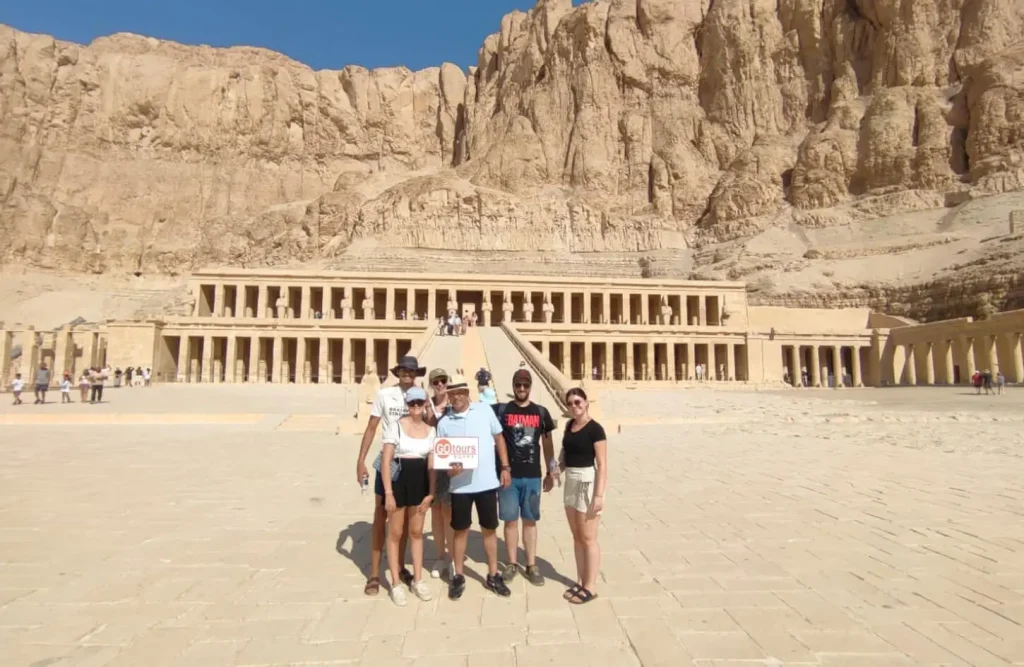
Luxor is one of Egypt’s most visited destinations and one of its safest. The city’s economy is built almost entirely around tourism — the Valley of the Kings, Karnak Temple, and the other monuments of the West and East Banks — and the security infrastructure reflects this. Luxor day tours operate smoothly, and the city sees very low rates of tourist-related incidents. The main practical concern in Luxor is the persistent attention of touts and unofficial guides at the entrance to major sites, which is manageable with a polite but firm approach.
Aswan
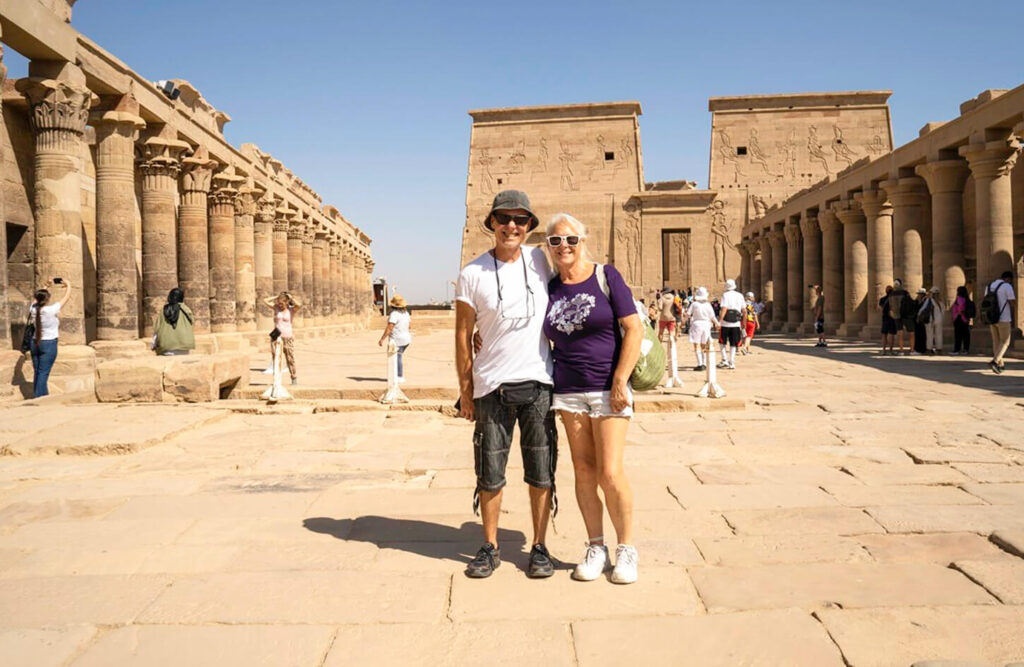
Aswan is widely considered one of the most relaxed and visitor-friendly cities in Egypt. Its smaller scale, strong Nubian cultural identity, and distance from Egypt’s political center give it a calmer atmosphere than Cairo. Aswan day tours — including the essential trip to Abu Simbel — operate without safety concerns. The city and its surroundings, including Philae Temple and the Nubian villages, are consistently safe for independent and guided travelers alike.
Hurghada
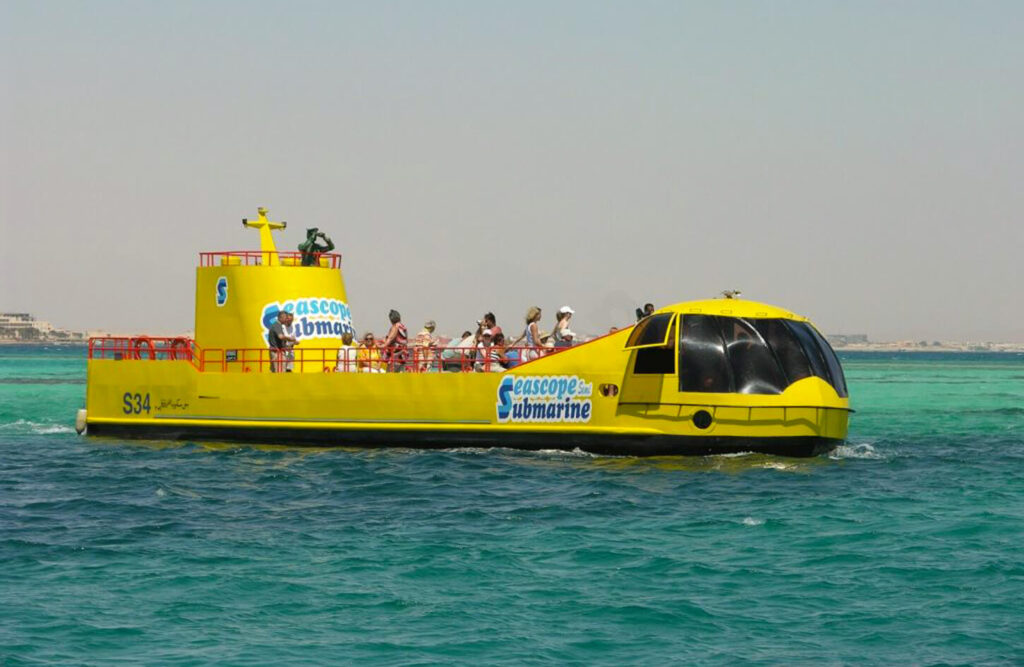
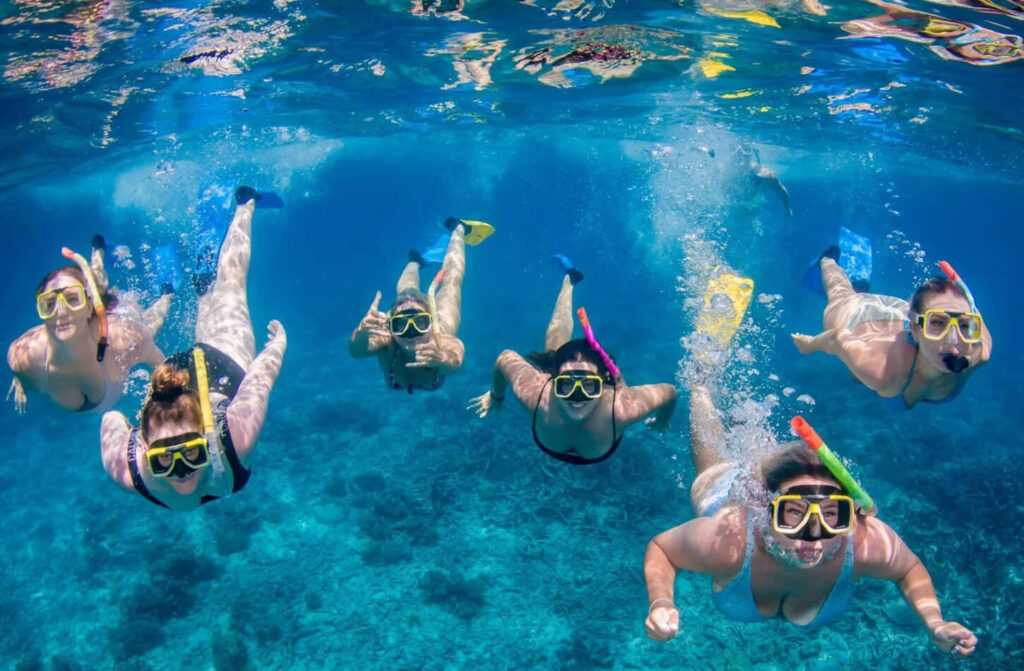
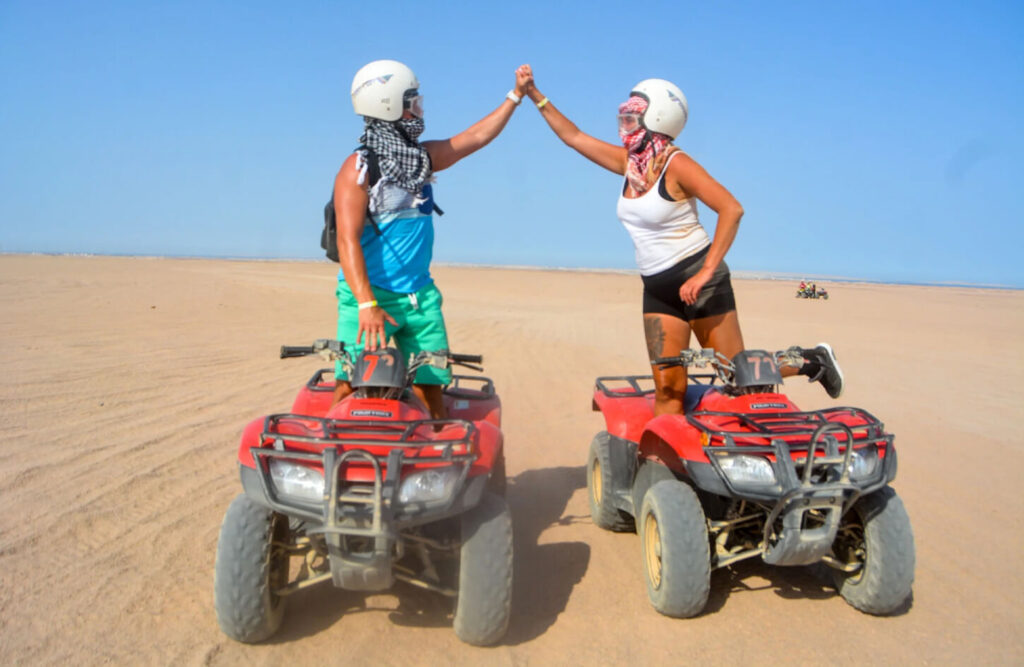
Hurghada on the Red Sea coast is a major international beach and diving resort with a well-established security presence and a long history of safe tourism. Hurghada tours — whether to desert sites, snorkeling trips, or island excursions — are routinely safe. The resort is heavily dependent on international tourism and the security infrastructure reflects that dependency. Standard resort precautions apply: use hotel-recommended operators for water activities, be aware of your surroundings after dark, and use official transport between the airport and hotels.
Sharm El Sheikh
Sharm El Sheikh, at the southern tip of the Sinai Peninsula, is Egypt’s other major Red Sea resort and one of the most popular diving destinations in the world. It operates as a largely self-contained resort town with strong security measures and consistent international tourist traffic. Sharm El Sheikh tours — including trips to Ras Mohammed National Park, desert excursions, and diving at Tiran Island — are safe for visitors. Note that some governments advise against overland travel between Sharm El Sheikh and Cairo through the Sinai interior; flying between the two is the recommended approach.
Marsa Alam
Marsa Alam, further south along the Red Sea coast, is a quieter alternative to Hurghada with excellent diving and snorkeling, particularly around Elphinstone Reef and the chance to swim with dugongs at Marsa Mubarak. Marsa Alam tours are safe, and the area’s lower tourist density compared to Hurghada gives it a more relaxed character. Security infrastructure is present though less visible than in the larger resorts.
Alexandria
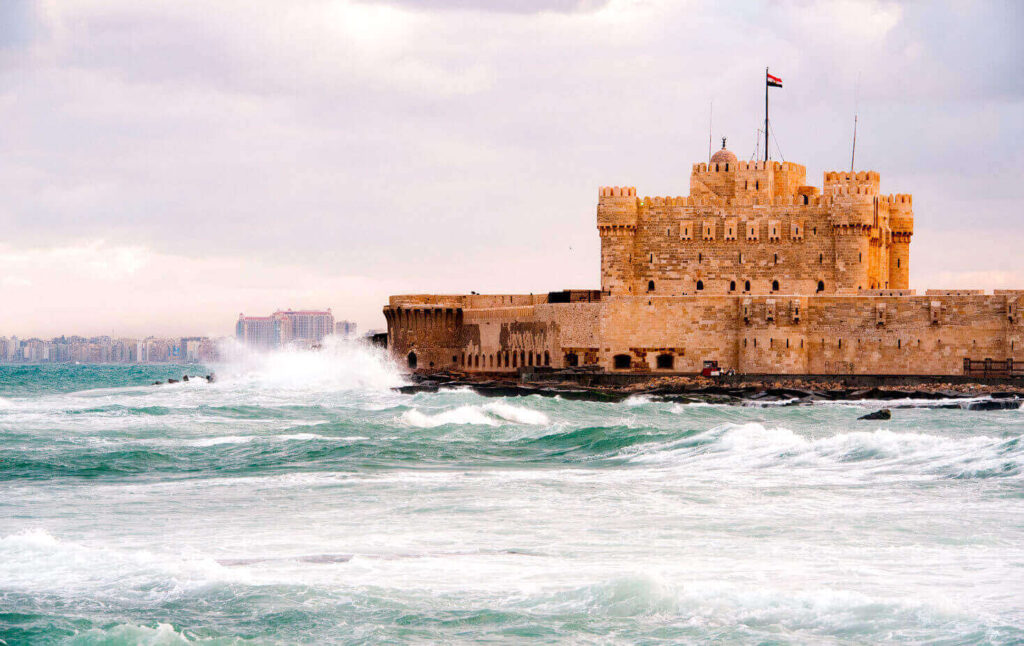
Alexandria, Egypt’s second city and its main Mediterranean port, is a safe and rewarding destination that many Egypt itineraries overlook. The city’s character — more Mediterranean than Middle Eastern in feel, with a long coastline, a relaxed pace, and a rich history stretching back to Alexander the Great — makes it one of the most distinctive destinations in the country. Security in the main tourist areas, including the Citadel of Qaitbay, the Bibliotheca Alexandrina, and the Corniche, is consistent and unobtrusive. Alexandria is most commonly visited as a day trip from Cairo, a straightforward two-hour journey by road or train that adds a completely different dimension to an Egypt itinerary.
Areas That Require More Caution
Egypt is a large and varied country, and not all of it carries the same risk profile as the main tourist destinations. Several areas warrant genuine caution and are best avoided by leisure travelers.
North Sinai — the area around the cities of El-Arish and Rafah near the Egyptian-Israeli and Egyptian-Gaza borders — has experienced ongoing security operations and is subject to active travel advisories from most Western governments. This area is entirely separate from the tourist areas of South Sinai (Sharm El Sheikh, Dahab, Nuweiba) and has no tourist infrastructure. Travelers visiting Sinai resorts do not pass through North Sinai.
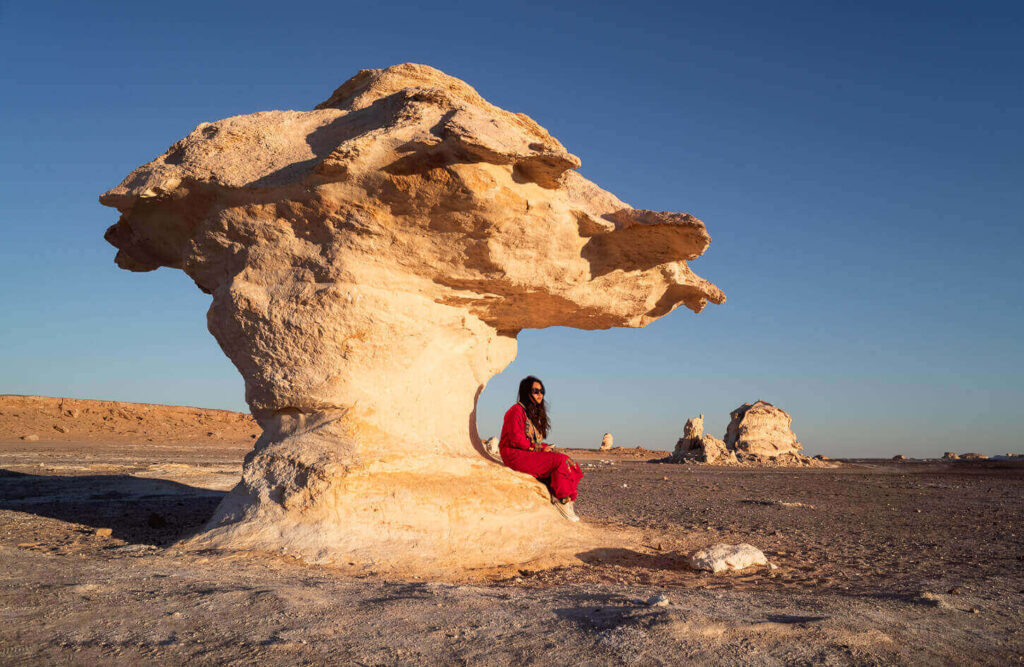
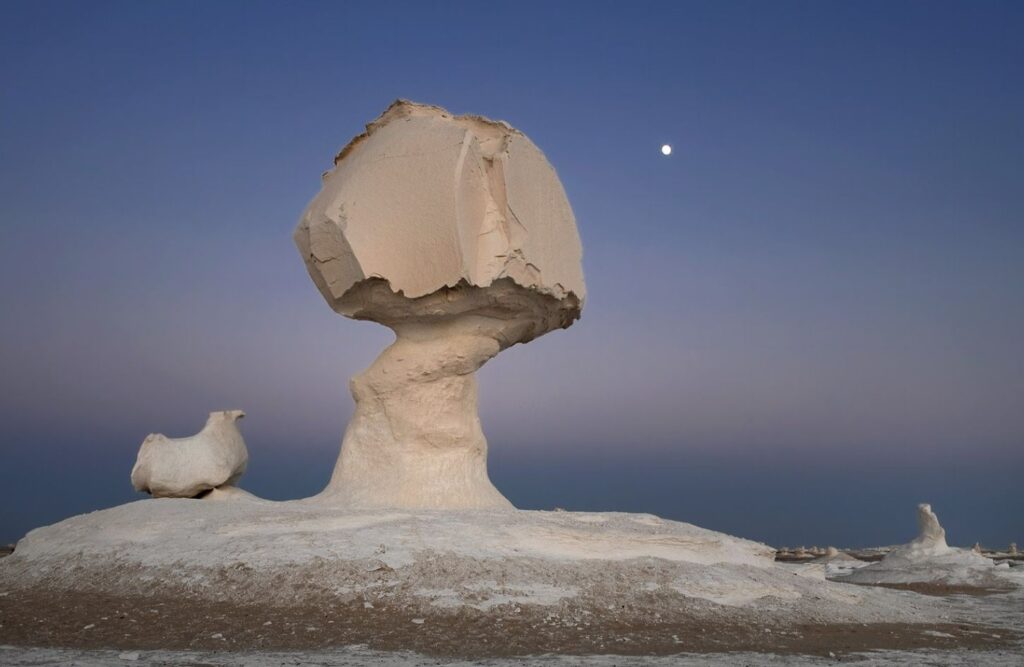
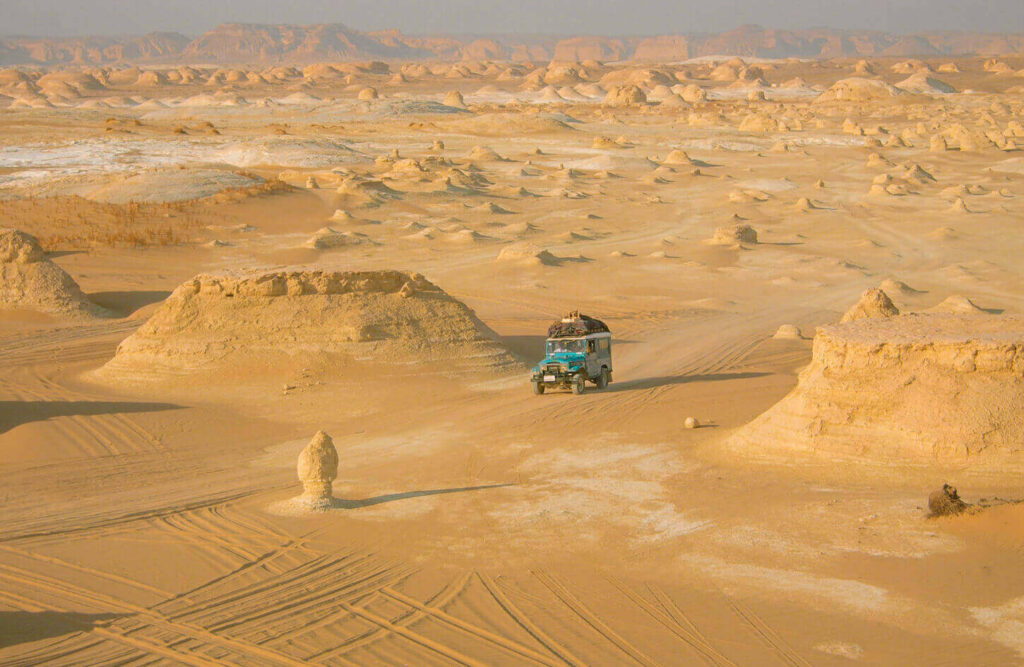
The Western Desert border areas near Libya are subject to travel advisories from several governments and should be approached with caution. The Western Desert’s main tourist destinations — the Siwa Oasis, the White Desert, and the Bahariya Oasis — are considerably further from the Libyan border and are visited regularly by tourists, though they warrant more careful planning and ideally organized tours rather than independent travel.
As a general principle: anywhere that organized Egypt tours and established operators run regular itineraries is safe for tourists. If a destination is not served by established tourism infrastructure, that is itself a signal to research more carefully before traveling independently.
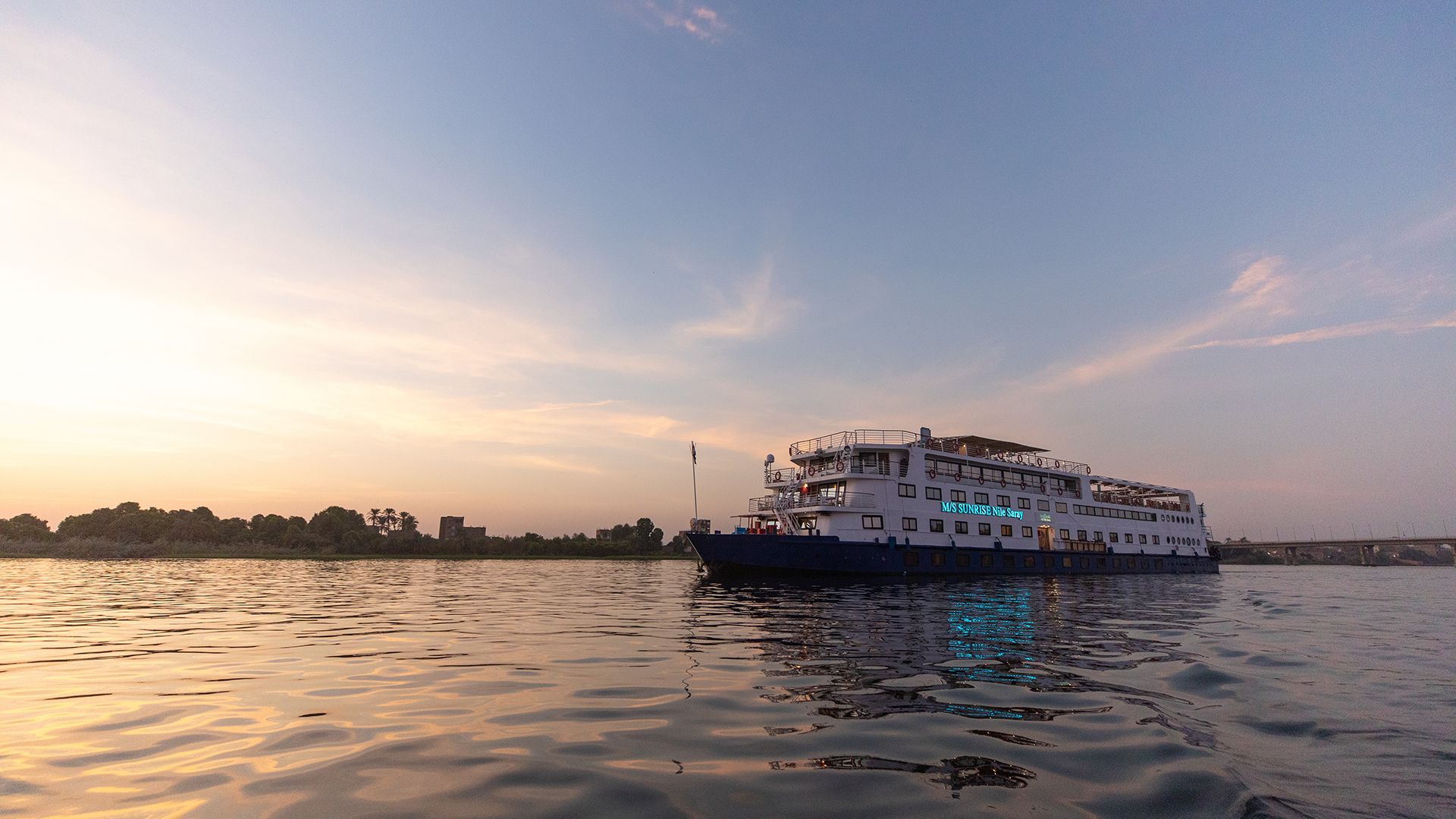
Traveling by Nile Cruise: A Safe Way to See Egypt
A Nile river cruise between Luxor and Aswan is one of the safest and most rewarding ways to experience Upper Egypt. The route passes through well-monitored territory, and every temple stop along the way — Edfu, Kom Ombo, and Esna — has an established tourist security presence. Standard Egypt Cruises carry dozens of cabins with on-board dining and guided excursions included, making them a self-contained and logistically simple option that removes most of the variables that require careful planning when traveling independently.
For a more intimate experience, a Dahabiya Nile cruise on a traditional sailing vessel offers the same security with a slower, quieter pace and access to smaller riverside sites that larger ships cannot reach. Both options have operated continuously for decades and are among the most consistently safe ways to travel in Egypt — the combination of fixed itinerary, on-board accommodation, and guided excursions means that logistics, transport, and site access are all handled, leaving you free to focus entirely on the experience.
Common Safety Concerns — and How to Handle Them
Petty Theft and Scams
The most common safety issues for tourists in Egypt are petty theft in crowded areas and various scams targeting visitors near major monuments. These are neither unique to Egypt nor particularly prevalent compared to other major tourist destinations — but they are worth knowing about. Keep valuables in a money belt or hotel safe rather than in accessible pockets or bags. At major sites like the Pyramids of Giza and Khan el-Khalili, be aware of approaches from unofficial guides, people offering “free” gifts that come with later payment expectations, and anyone who seems unusually eager to be helpful without being asked.
Harassment
Unsolicited attention — particularly toward women traveling solo or in small groups — is a reality in parts of Egypt, especially in busy urban areas. Dressing modestly (covering shoulders and knees in most contexts, and more fully in religious sites) significantly reduces unwanted attention. Traveling with a guide or as part of an organized group eliminates most of these situations. Firm, confident responses without extended engagement are generally effective; prolonged argument tends to be counterproductive.
Road Safety
Road traffic in Egypt — particularly in Cairo — can be chaotic by the standards of many Western countries. Uber and Careem are the most reliable transport options for tourists in Cairo and other major cities, offering metered, pre-agreed fares without negotiation. Avoid driving yourself unless you are comfortable with aggressive traffic conditions. Intercity travel by road is generally safe on main highways but is best arranged through reputable operators rather than informal arrangements.
Health Considerations for Egypt Travel
Egypt does not require any specific vaccinations for entry, but standard travel health precautions apply. Hepatitis A vaccination is recommended given the possibility of exposure through food and water. Ensuring routine vaccinations (tetanus, MMR, etc.) are up to date is advisable. Consult a travel medicine clinic or your GP at least four to six weeks before departure.
Tap water in Egypt is not safe to drink for most international visitors. Bottled water is widely available and inexpensive throughout the country — use it for drinking and teeth-brushing. Be cautious with raw salads and unpeeled fruit in smaller restaurants; in reputable hotels and established tourist restaurants this is rarely an issue.
Egypt’s summer heat — temperatures regularly exceeding 40°C in Luxor, Aswan, and Cairo between June and August — is a genuine physical risk if not managed properly. Staying hydrated, covering up in the sun, and scheduling outdoor activities for early morning or late afternoon are essential precautions during summer visits. Heat exhaustion and sunstroke are more likely to affect your trip than any security concern.
Medical facilities in Cairo and the major tourist cities are adequate for most situations. Large hotels can refer you to reputable English-speaking doctors. Travel insurance that includes medical evacuation is strongly recommended for any Egypt trip — not because medical emergencies are likely, but because the cost of evacuation without coverage can be very high.
Practical Safety Tips for Visiting Egypt
- Check your government’s current travel advisory before booking and again before departure. Advisories are updated regularly and provide the most current assessment of conditions in specific areas.
- Use reputable, established operators for tours and transport. Whether you are booking Cairo tours, Luxor day tours, Aswan tours, or a Nile river cruise, established operators with verifiable track records provide a layer of safety and reliability that independent arrangements cannot always match.
- Register with your embassy or consulate upon arrival in Egypt. Most countries offer online registration systems (the US STEP program, the UK FCDO registration) that allow your government to contact you in the event of a significant incident.
- Keep copies of important documents — passport, visa, travel insurance, emergency contacts — separately from the originals, either in your hotel safe or as digital copies accessible from your phone.
- Respect local customs and dress codes. Modest dress — covering shoulders and knees — is appropriate throughout Egypt and mandatory at religious sites. This is both respectful and practically reduces unwanted attention.
- Avoid discussing politics in public or with people you have just met. Egypt’s political situation is sensitive and opinions on it vary; it is not a conversation topic that benefits tourists.
- Stay hydrated consistently, particularly when visiting outdoor sites. Carry at least 1.5 litres of water per person for any day of outdoor activity.
- Use ATMs inside banks or hotels rather than standalone street machines, and avoid displaying large amounts of cash in markets.
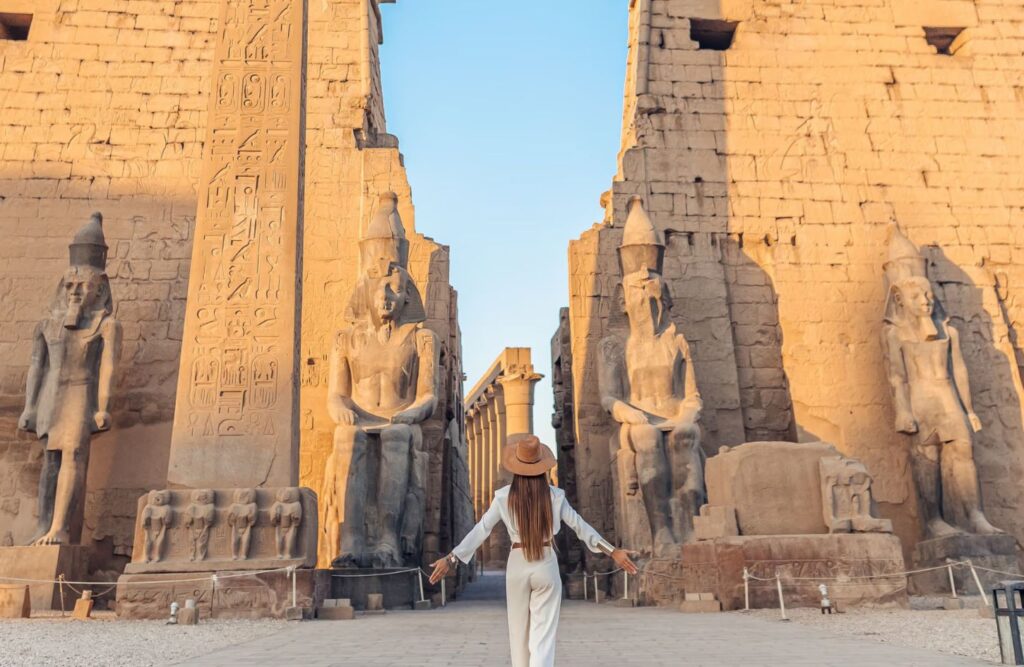
Solo Travel and Female Travelers in Egypt
Solo travel in Egypt is entirely possible and practiced by many visitors — both men and women — every year. Female solo travelers should be aware that unsolicited attention is more common than in many Western countries, but that it is almost always verbal rather than physical and manageable with the right approach. Dressing modestly, staying in well-reviewed accommodation, using reputable transport, and joining organized day tours for major site visits all significantly reduce the situations where harassment is likely. Many solo female travelers report Egypt as a challenging but ultimately rewarding destination precisely because navigating it independently builds confidence and yields genuine cultural encounters.
Joining organized Egypt tour packages — particularly for first-time visitors — provides a structured environment that resolves many of the practical concerns around solo travel while still leaving plenty of room for independent exploration. Many travelers find that starting with a guided framework and then venturing out independently for parts of each day gives the best of both approaches.
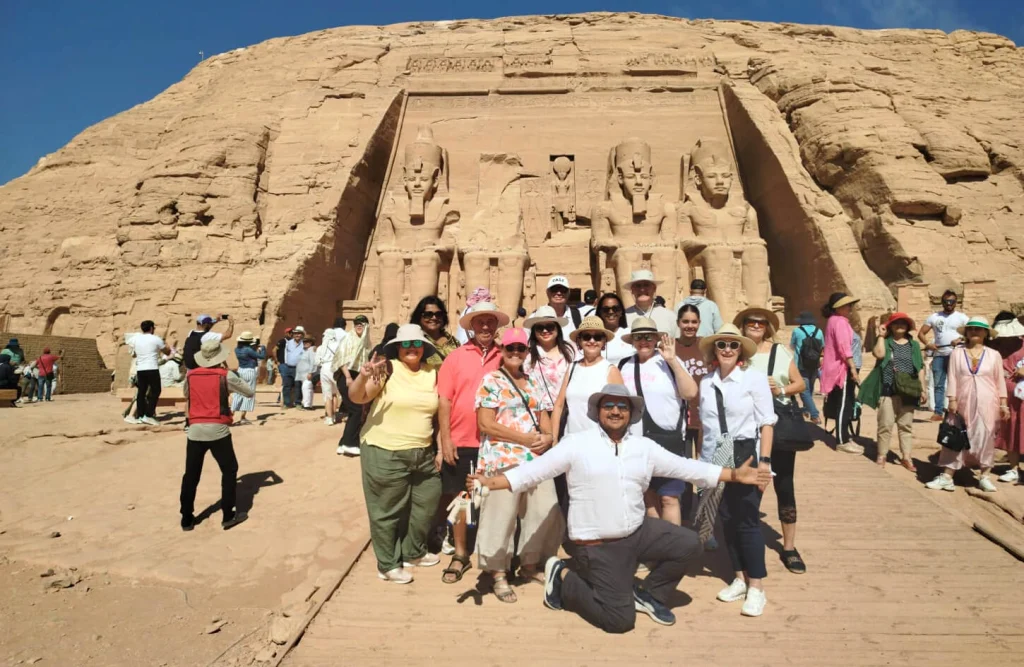
Is Egypt Safe for Families?
Egypt is a very family-friendly destination in terms of cultural attitude — Egyptians are genuinely warm toward children, and families with children tend to receive particularly friendly treatment throughout the country. The main practical considerations for families are the heat (manage it by timing outdoor activities carefully), the physical demands of major sites (the Valley of the Kings involves considerable walking; the Pyramid interiors are steep and confined), and the need to keep children close in crowded areas like markets.
Egypt Nile cruises — whether standard Egypt Cruises or the more intimate Dahabiya Nile Cruise experience — are an excellent option for families, providing a secure, contained environment from which to visit multiple sites without the logistical complexity of moving accommodation every day.
The Bottom Line: Should You Visit Egypt in 2026?
Yes — with the same informed preparation you would apply to any international destination. Egypt is safe to visit for the overwhelming majority of travelers who stick to the established tourist areas, use reputable operators, and exercise the same common-sense precautions they would apply anywhere else. The country offers an extraordinary combination of ancient history, natural beauty, and cultural richness that few destinations anywhere can match.
The Pyramids of Giza, the temples of Luxor, the monuments of Aswan and Abu Simbel, the diving of Hurghada and Sharm El Sheikh, the Mediterranean charm of Alexandria, and the slow beauty of an Egypt river cruise — none of these are inaccessible to a well-prepared traveler. Millions of people enjoy Egypt holidays every year without incident, from budget backpackers to families on fully organized Egypt travel packages, and the vast majority return with memories they describe as among the best of their traveling lives.
Check the advisories, plan sensibly, travel with reputable operators, and go.