Table of Contents
Timing matters more in Egypt than almost anywhere else in the world. The best times to visit Egypt depend heavily on where you are going and what you want to do — the country’s desert climate swings between genuinely punishing summer heat — temperatures regularly exceed 42°C in Luxor and Aswan between June and August — and mild, sunny winters that make outdoor sightseeing a genuine pleasure. Get the timing right and your visit to the Pyramids of Giza, the temples of Upper Egypt, or the Red Sea coast will be considerably more rewarding. Get it wrong and the heat alone can significantly limit what you can comfortably do.
This guide covers every season in practical detail — what to expect from the weather, which destinations work best at which times of year, and how timing intersects with crowds, pricing, and the specific activities that Egypt does best. Whether you are planning Egypt tours focused on ancient monuments, a Nile river cruise, a Red Sea beach holiday, or a comprehensive Egypt travel package that combines all of the above, there is an optimal window for your trip and this guide will help you find it.
Understanding Egypt’s Climate and the Best Times to Visit
Egypt has one of the most consistent climates in the world: hot, dry, and sunny for most of the year, with virtually no rainfall outside of the Mediterranean coast and almost no cloud cover inland. Understanding this is the foundation of knowing the best times to visit Egypt for your specific itinerary. The country’s geography creates meaningful regional variation — the Mediterranean coast around Alexandria is noticeably cooler and more humid than inland Cairo, which in turn is several degrees cooler than Luxor and Aswan in the far south. The Red Sea coast has its own microclimate, with warm sea temperatures year-round and reliable winds that make conditions excellent for water sports even in summer.
The practical implication of all this is that Egypt does not have a single “best time to visit” — it has the best time for each type of experience. A winter visit works brilliantly for monument-heavy Egypt trips through Cairo, Luxor, and Aswan; a summer visit can be excellent for Hurghada diving or a Sharm El Sheikh beach holiday even when the Nile valley monuments are uncomfortably hot. Understanding these regional differences is the most useful thing any traveler can do when planning their timing.
Winter (November to February): The Peak Season for Monuments
For travelers focused on ancient monuments, the best times to visit Egypt are firmly in the winter window. Daytime temperatures in Cairo hover between 18°C and 24°C, in Luxor between 22°C and 28°C, and even in Aswan — the warmest major city in Egypt — the days are warm rather than hot and the evenings genuinely cool. Walking around the Giza Plateau, the Valley of the Kings, or the temples of Karnak in these conditions is a pleasure rather than an endurance test.
This is the prime window for Cairo tours that combine the Pyramids with Islamic Cairo, Coptic Cairo, and the Grand Egyptian Museum. It is also the best season for a Nile river cruise between Luxor and Aswan — the river is calm, the sites are comfortable to visit, and the evenings on deck are genuinely enjoyable. Classic Egypt tours that move through Cairo, Luxor, and Aswan in sequence are overwhelmingly concentrated in this window for good reason.
The trade-off is crowds and price. December, January, and February are the busiest months at Egypt’s major monuments, and popular sites like the Valley of the Kings and the Giza Plateau can feel crowded by mid-morning. Booking accommodation, Egypt tour packages, and any cruise in advance is essential for winter travel — particularly over the Christmas and New Year period, when demand from international tourists peaks sharply. Prices for Egypt holidays in this window are at their highest of the year.

Spring (March to May): Among the Best Times to Visit Egypt
Spring is widely considered the optimal balance between good weather, manageable crowds, and reasonable pricing. Temperatures in March and April are mild — Cairo sits at around 22–28°C, Luxor at 28–33°C — and the sites are comfortable to visit through most of the day rather than just in the early morning. By May, temperatures begin climbing toward summer levels in the south, making it the last comfortable month for intensive monument-visiting in Luxor and Aswan.
Spring is an excellent time for Luxor tours that cover both the East and West Banks, for Aswan day tours including the trip to Abu Simbel, and for a Dahabiya Nile cruise that takes the river at its own slow pace. The slightly lower tourist numbers compared to winter mean that major sites feel more spacious, and pricing for Egypt travel packages is generally more favorable than in the peak winter months.
One weather caveat for spring: the khamaseen winds — hot, dusty desert winds that blow from the south — can arrive unpredictably between March and May, reducing visibility and coating everything in fine sand for a day or two at a time. They are not dangerous, but they can make outdoor sightseeing unpleasant when they arrive. Checking forecasts during this period is worthwhile.
Summer (June to September): Red Sea Season
Summer in Egypt is not the time for monument-heavy itineraries in the Nile valley. Temperatures in Luxor and Aswan regularly exceed 42°C between June and August, and while the sites remain open, visiting them in those conditions requires serious preparation — very early starts, substantial water consumption, and genuine awareness of heat exhaustion risk. Most experienced travelers avoid Luxor and Aswan in high summer unless they have specific reasons to go.
The picture is entirely different on the Red Sea coast. Hurghada, Marsa Alam, and Sharm El Sheikh benefit from sea breezes that moderate the heat considerably, and the warm, clear waters are at their best for diving, snorkeling, and water sports between June and September. Hurghada tours focused on reef diving and island excursions are excellent in summer; the same applies to Sharm El Sheikh day tours and Marsa Alam day tours. For travelers whose primary interest is the Red Sea, summer can actually be the preferred season.
Cairo in summer is hot but functional — the city’s museums and indoor attractions are air-conditioned, and Cairo tours that focus on the Grand Egyptian Museum, the Coptic Museum, and indoor sites are perfectly manageable. The Giza Plateau is best left for very early morning visits in summer, ideally arriving at opening time (8am) and finishing before 10am.
Alexandria is the most comfortable summer destination in mainland Egypt. Its Mediterranean location keeps temperatures 5–8°C lower than Cairo, and the sea breeze along the Corniche makes the city genuinely pleasant even in July and August. It is the traditional summer escape for Cairenes and entirely justifies its reputation.
Autumn (September to November): The Second Peak Season
Autumn mirrors spring in many respects — comfortable temperatures, manageable crowds, and good value — with the additional benefit that October and November are free of the khamaseen winds that can disrupt spring visits. October in particular is an excellent month across the board: the heat of summer has eased, the peak winter tourist season has not yet begun, and conditions for both monument-visiting and Red Sea activities are close to ideal.
October also contains one of Egypt’s most remarkable annual events: the Abu Simbel Sun Festival on October 22nd, when the rising sun penetrates the entire length of the Great Temple and illuminates three of the four statues in the innermost sanctuary. The same phenomenon occurs on February 22nd. Both dates draw large numbers of visitors to Abu Simbel and require advance booking of transport and accommodation from Aswan several months ahead.
Autumn is a strong season for Egypt Nile cruises — the river is calm, the temperatures are ideal for evenings on deck, and the sites along the route feel less crowded than in the peak winter months. For travelers building Egypt short breaks of four to five days around a Luxor-Aswan cruise, October and November are among the best months of the year.
Regional Timing Guide: Where to Go and When
Cairo and the Pyramids
The Giza Plateau and Cairo’s other outdoor sites — Islamic Cairo, the Citadel, the outdoor sections of the Grand Egyptian Museum complex — are best visited between October and April. The indoor attractions (the museum galleries, Coptic Cairo’s churches, the mosques of Islamic Cairo) are comfortable year-round. Cairo day tours that combine outdoor and indoor sites work well in any season if you structure the outdoor portions for early morning. If you are building a longer stay, Cairo tours that dedicate a full day to Islamic Cairo or the GEM are best planned for the cooler months when walking between sites is genuinely comfortable.
Luxor and Aswan
For Luxor day tours focused on outdoor monuments — the Valley of the Kings, Karnak, and the West Bank sites — the window is October through April, with November through February being the most comfortable. The same applies to Aswan tours that include Philae Temple and Abu Simbel. May is manageable with early starts; June through September is genuinely demanding and best avoided for intensive sightseeing in Upper Egypt.
The Red Sea: Hurghada, Sharm El Sheikh, and Marsa Alam
The Red Sea resorts are excellent year-round but particularly good from April through October for water sports and diving. Marsa Alam day tours focused on diving at Elphinstone Reef or swimming with dugongs are best from April to October when marine life is most active. Sharm El Sheikh tours to Ras Mohammed work well year-round given the area’s sheltered waters and consistent visibility. Winter on the Red Sea is pleasant but can feel cool for swimming, particularly in December and January — better suited to Hurghada tours that combine reef visits with inland desert excursions.
Alexandria
Alexandria is at its best in spring and summer — the Mediterranean climate makes it far more comfortable than inland Egypt in the warmer months, and the city’s beaches and Corniche are most enjoyable between April and September. Winter visits are pleasant but occasionally rainy and cooler than most travelers expect.
Nile Cruises
An Egypt river cruise between Luxor and Aswan is best from October through April — comfortable temperatures for evenings on deck and for the guided excursions at each stop. The Dahabiya Nile cruise experience, which moves more slowly and stops at smaller sites, works particularly well in spring and autumn when the light is beautiful and the river is unhurried. Summer cruises are possible but the heat at the temple stops is significant.
Egyptian Festivals Worth Planning Around
Several annual events are worth factoring into your timing if they align with your interests.
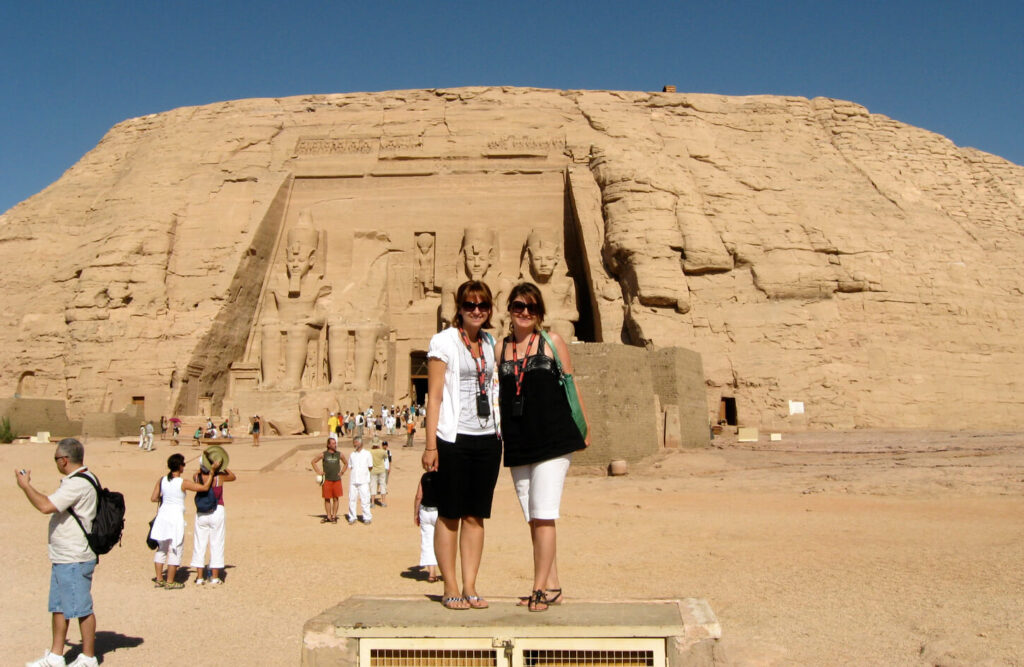
The Abu Simbel Sun Festival — on February 22nd and October 22nd — is when sunlight penetrates the innermost sanctuary of the Great Temple and illuminates the statues of Ramses II and the gods. It is one of the most remarkable astronomical alignments in the ancient world and draws visitors from across Egypt and internationally. Book transport from Aswan and any local accommodation several months in advance.
Sham El-Nessim, the ancient spring festival celebrated on the Monday after Coptic Easter (usually April or May), is a national holiday when Egyptians picnic in parks and along the Nile. It is a wonderful day to observe local life but expect parks and public spaces to be busy.
Ramadan — the dates of which shift each year according to the Islamic lunar calendar — transforms the atmosphere of Egyptian cities after sunset, when the breaking of the fast (iftar) turns streets and restaurants into lively social occasions. Many restaurants are closed during daylight hours, and some tourist sites have adjusted hours. Visiting during Ramadan gives a genuine insight into Egyptian culture that no other time of year provides, though it requires some practical flexibility.
Practical Tips for Timing Your Egypt Visit
- October and April are the two months that consistently deliver the best combination of weather, crowd levels, and value across Egypt’s main destinations — if you can only choose one month, either of these is a strong choice.
- For Egypt tour packages that combine Cairo, Luxor, and Aswan, book at least three to four months in advance for winter travel and at least six to eight weeks ahead for spring and autumn.
- Whatever month you visit, plan outdoor activities for early morning. The Pyramids, the Valley of the Kings, and Abu Simbel are all significantly more enjoyable before 10am than in the middle of the day.
- If visiting in summer, structure your itinerary around indoor attractions in Cairo and the Red Sea coast rather than Nile valley monuments — this turns what seems like a difficult season into a perfectly enjoyable one.
- For Nile river cruises, the most popular departure dates in winter (particularly December and January) sell out months in advance. A Dahabiya Nile cruise in particular — with its small number of cabins — needs to be booked well ahead for any peak season travel.
- Check the dates of Ramadan for your travel year if you are planning to visit between February and May (where it currently falls in the Gregorian calendar). It is not a reason to avoid Egypt, but it changes some logistics.
Best Times to Visit Egypt: The Short Answer
The best times to visit Egypt depend on your destination and what you want to do — but here is the clearest possible summary:
For the Pyramids, Luxor, and Aswan: October through April, with November through February as the peak comfort window.
For the Red Sea (Hurghada, Sharm El Sheikh, Marsa Alam): April through October for diving and water sports; year-round for beach holidays.
For Alexandria: April through September.
For a Nile cruise: October through April.
For value and fewer crowds: March to May and September to October.
Egypt rewards travelers who match their timing to their interests. Whatever you are coming for — ancient history, desert landscapes, Red Sea reefs, or the slow rhythm of the Nile — there is a season that delivers it at its best. The key is knowing which one that is before you book.